


Investing in Montenegro: Opportunities, Sectors, and Key Considerations
Montenegro has emerged in recent years as a small but increasingly attractive destination for foreign investment. Positioned on the Adriatic coast and strategically located between Western Europe and the Balkans, it offers a mix of tourism potential, real estate development opportunities, and a gradually improving business environment.
While it is a relatively small market, Montenegro’s appeal lies in its natural beauty, euro-based economy, and ongoing efforts toward European Union integration.
1. Why Investors Are Looking at Montenegro
One of Montenegro’s strongest advantages is stability in its currency system: the euro is used as legal tender despite the country not being part of the Eurozone. This reduces currency risk for foreign investors compared to many emerging markets.
Other key factors include:
- Strategic location on the Adriatic coast with access to EU markets via neighboring countries
- Tourism-driven economy with strong seasonal demand
- Low corporate tax rates compared to many European countries
- Growing infrastructure development, often supported by international funding
- EU accession path, which, if successful, could significantly boost investor confidence and valuations over time
The capital, Podgorica, is the administrative and financial hub, while coastal cities are the main drivers of tourism and real estate activity.
2. Key Investment Sectors
Real Estate and Tourism
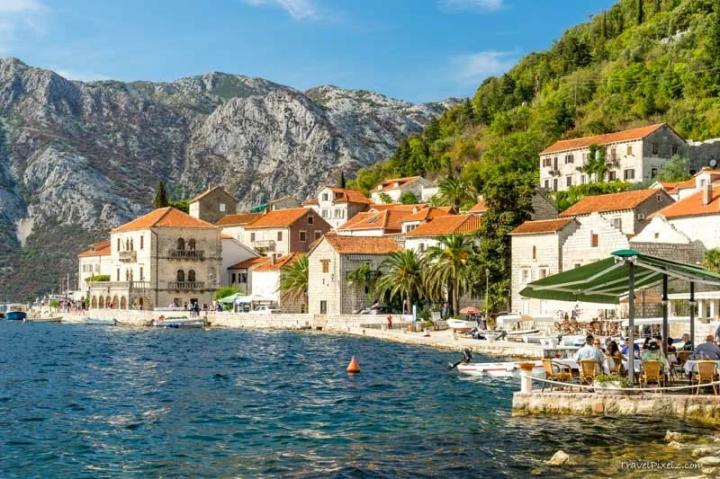
Tourism is the backbone of Montenegro’s economy, driven by its coastline along the Adriatic Sea. Coastal areas such as Budva, Kotor, and Tivat attract millions of visitors annually during the summer season.
Investment opportunities include:
- Boutique hotels and resorts
- Luxury marina developments
- Short-term rental apartments
- Hospitality infrastructure upgrades
Real estate in prime coastal locations has seen strong demand from foreign buyers, particularly from Western Europe, Russia, and the Middle East.
Energy and Infrastructure
Montenegro has significant untapped potential in:
- Hydropower (already a major energy source)
- Solar and wind energy projects
- Transport infrastructure (roads, ports, and logistics hubs)
International investors and development banks have been actively involved in funding infrastructure improvements, making this sector increasingly accessible.
Agriculture and Food Production
Although smaller in scale, agriculture offers niche opportunities:
- Organic food production
- Wine and olive oil industries
- Export-oriented specialty products
The country’s climate and geography support high-quality Mediterranean crops, especially in coastal and southern regions.
Technology and Services
While still developing, Montenegro is gradually building a digital economy:
- Outsourcing and IT services
- Startup ecosystem development in urban centers
- Tourism-tech platforms
This sector is still early-stage but benefits from low operational costs and improving connectivity.
3. Legal and Business Environment
Foreign investors generally enjoy:
- Full ownership rights in most sectors
- Relatively simple company registration procedures
- Competitive tax rates (corporate tax is among the lowest in Europe)
However, investors should also be aware of:
- Bureaucratic inefficiencies in some areas
- Legal system still aligning with EU standards
- Smaller domestic market size, meaning many investments depend on exports or tourism demand
4. Risks and Challenges
Like any emerging market, Montenegro comes with risks:
- Dependence on tourism makes the economy seasonal and vulnerable to global shocks
- Regulatory uncertainty as laws continue evolving toward EU alignment
- Infrastructure gaps outside main tourist zones
- Liquidity limitations in certain asset markets
Understanding local partnerships and regulatory frameworks is often essential for success.
5. Long-Term Outlook
Montenegro’s long-term investment case is closely tied to its potential EU membership. If accession progresses, it could lead to:
- Increased foreign direct investment
- Higher property valuations
- Stronger institutional frameworks
- Improved infrastructure funding
Even without immediate EU entry, continued tourism growth and infrastructure expansion are expected to remain key drivers of economic activity.
Conclusion
Investing in Montenegro offers a blend of opportunity and emerging-market risk. The strongest prospects currently lie in tourism, real estate, and infrastructure, especially along the Adriatic coastline. While challenges remain in regulation and market size, the country’s strategic position and long-term European integration path make it an increasingly notable destination for forward-looking investors.
Comments (0)