


Life in Montenegro: A Blend of Coast, Mountains, and Slow Living
Life in Montenegro is often described as relaxed, nature-driven, and deeply connected to both the sea and the mountains. Despite its small size, the country offers a surprising variety of lifestyles—from coastal resort towns to quiet inland villages and a compact capital city that anchors daily administration and business.
1. Everyday Rhythm: Slow, Social, and Outdoor-Oriented
Daily life in Montenegro tends to follow a slower rhythm compared to many larger European countries. Social life is important, and coffee culture plays a central role—cafés are full throughout the day, not just mornings.
People often structure their lives around:
- Long coffee breaks with friends
- Family gatherings, especially on weekends
- Outdoor activities tied to weather and season
- Evening strolls (“špica”) in town centers
In cities like Podgorica, life is more urban and administrative, but still noticeably relaxed compared to larger European capitals.
2. Coastal Living on the Adriatic
The Montenegrin coastline along the Adriatic Sea is the country’s most famous region, especially in summer.
Cities such as:
- Budva
- Kotor
- Tivat
offer very different coastal experiences.
Budva is lively and tourism-focused, with beaches, nightlife, and seasonal energy. Kotor is quieter and historic, famous for its medieval old town and dramatic bay setting. Tivat is more modern and upscale, especially around Porto Montenegro marina.
In summer, life shifts heavily toward tourism. In winter, coastal towns become calmer and more local.
3. Mountains, Nature, and Outdoor Lifestyle
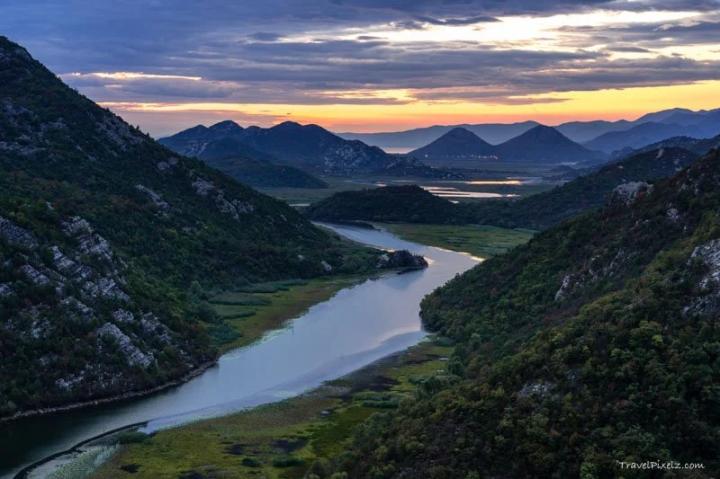
One of Montenegro’s defining features is how quickly the landscape changes. You can drive from the coast to high mountains in under two hours.
Inland areas are dominated by:
- Forests and national parks
- Rivers and canyons
- Ski resorts in winter
- Traditional rural villages
A major highlight is Durmitor National Park, known for dramatic peaks, glacial lakes, and hiking trails. Outdoor life is a major part of identity here—hiking, rafting, skiing, and camping are common activities.
4. Food and Local Culture
Montenegrin cuisine reflects Mediterranean and Balkan influences. Meals are often simple but hearty, centered around grilled meat, seafood, dairy, and fresh vegetables.
Common elements of daily eating include:
- Fresh seafood on the coast
- Grilled meats inland
- Homemade cheeses and bread
- Local wines and rakija (fruit brandy)
Dining is not rushed; meals are social events that can last for hours.
5. Cost of Living and Lifestyle Balance
Compared to much of Western Europe, Montenegro is generally more affordable, though prices vary significantly by region.
- Coastal tourist areas are more expensive, especially in summer
- Podgorica and inland towns are more budget-friendly
- Imported goods can be costly
Many residents prioritize lifestyle over income growth, valuing time, nature access, and social life over fast-paced careers.
6. Work, Economy, and Opportunities
The economy is largely driven by:
- Tourism
- Construction and real estate
- Small businesses and services
- Public administration
Job opportunities can be limited in some sectors, leading many young people to seek work abroad. However, remote work is becoming more common, especially in tech and freelance fields.
7. Culture, Identity, and Community
Montenegrin culture is strongly influenced by history, regional identity, and family ties. Hospitality is important—guests are typically welcomed warmly and generously.
Communities tend to be close-knit, especially in smaller towns and rural areas. At the same time, the country is diverse, with influences from neighboring Balkan states and a mix of Orthodox, Catholic, and Muslim traditions.
Conclusion
Life in Montenegro is shaped by contrast: sea and mountains, tourism and tradition, modern cafés and quiet villages. Whether in the capital of Podgorica, the historic streets of Kotor, or the natural landscapes of Durmitor National Park, daily life tends to move at a slower, more social pace—closely tied to nature and community.
Comments (0)